


Crystal meth recovery is absolutely possible and getting matched to the right Long Island care makes a real difference. Methamphetamine (including crystal meth/ice) is a powerful CNS stimulant that can hijack dopamine pathways, drive compulsive use, and unravel sleep, mood, teeth/skin health, and relationships. Effective treatment on Long Island typically combines structured withdrawal support, evidence-based behavioral therapies (Matrix Model, Contingency Management, CBT/DBT), psychiatric care for co-occurring disorders, and strong aftercare. Long Island Interventions provides discreet placement into vetted Nassau/Suffolk programs (residential, PHP/IOP, outpatient, dual-diagnosis psychiatry) that fit your goals, schedule, and insurance.

Common Signs You’re Noticing
- Physical: rapid weight loss, insomnia or hypersomnia, teeth grinding (“meth mouth”), sores/picking, overheating, palpitations.
- Cognitive/psychiatric: anxiety, depression, irritability, paranoia, hallucinations (visual/tactile “formication”), memory lapses.
- Behavioral: runs of hyperactivity then crashes, isolation, missing school/work, risky spending/behaviors.
Withdrawal: How It Really Feels
Meth withdrawal is primarily psychological but very real: crushing fatigue, hypersomnia/insomnia cycles, low mood/anhedonia, anxiety, vivid dreams, increased appetite, and strong cravings. A typical arc:
- 0–48 hours (crash): exhaustion, sleep rebound, headache, dysphoria, appetite return, GI upset.
- Days 3–10 (peak): mood swings, anxiety/irritability, intense cravings, concentration problems.
- Weeks 2–4: gradual improvement; cravings come in waves; sleep/mood still fragile.
- 1–3+ months: “PAWS” for some intermittent low motivation, sleep drift, cue-triggered urges managed with therapy/skills.
Detox & Safety
There’s no single “detox medication” for stimulants. Supportive, low-stimulation environments; hydration and nutrition; sleep restoration; and careful monitoring for depression, psychosis, or suicidality are key. Short-term, non-addictive meds may target symptoms (e.g., sleep or anxiety) when appropriate. If you or a loved one has chest pain, severe agitation/psychosis, or suicidal thoughts, call 911.
What Works Best for Meth Use Disorder
- Matrix Model (gold-standard for stimulants): a 16-week, highly structured program combining CBT, relapse-prevention, family education, and regular urine testing with a warm, coaching style.
- Contingency Management (CM): immediate, meaningful rewards for negative screens/goal milestones one of the most effective tools for stimulants.
- CBT/DBT skills: trigger mapping, craving surfing, emotion regulation, distress tolerance, and sleep skills to stabilize the nervous system.
- Psychiatric care (dual diagnosis): evaluate and treat depression, anxiety, PTSD, ADHD, or psychosis; consider non-stimulant ADHD options when indicated.
- Peer & family supports: community reinforcement, CRAFT-based family coaching, and sober routines (sleep, exercise, nutrition, purpose).
Why Meth Is So Addictive
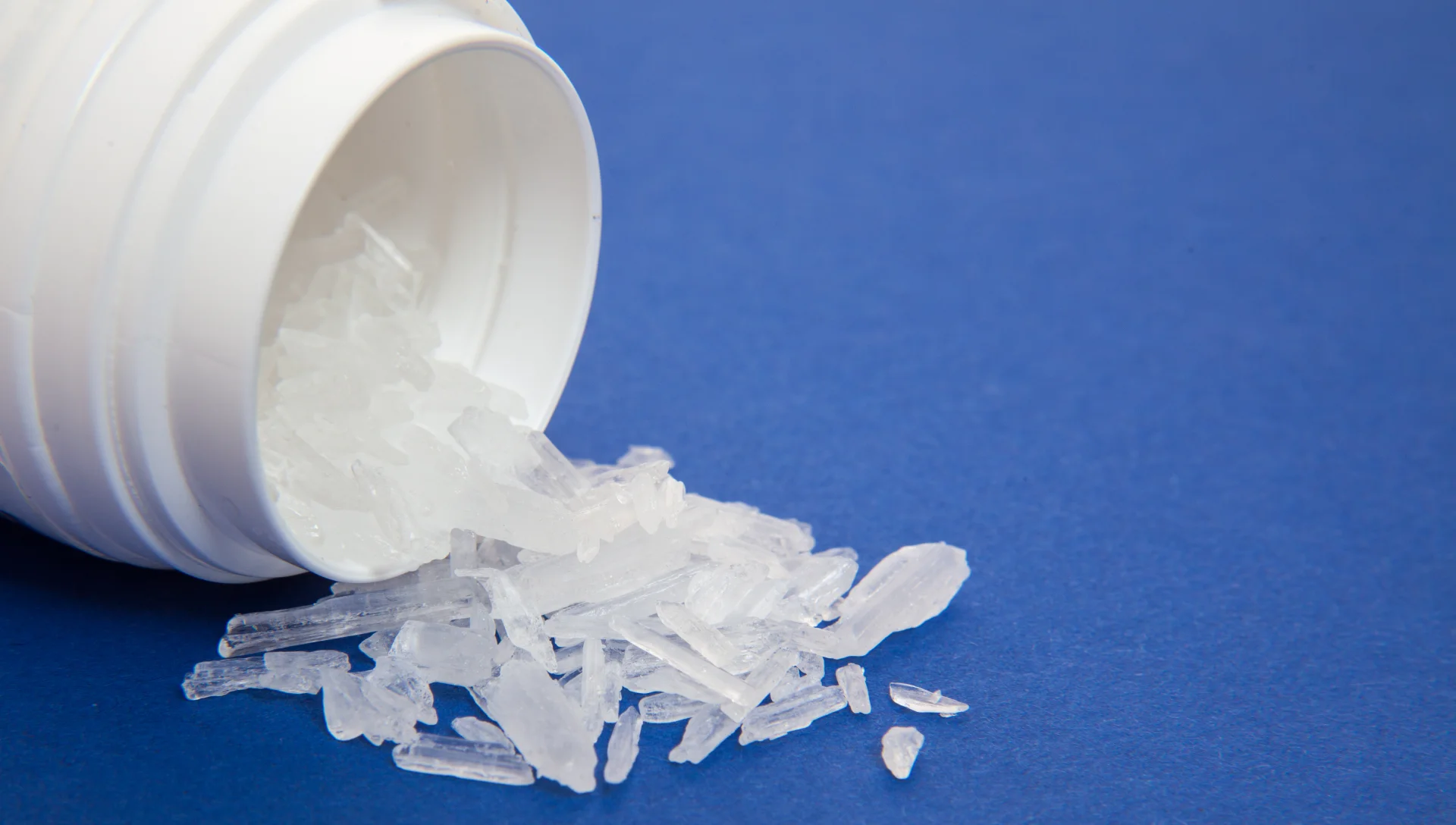
Meth releases a surge of dopamine and slows its reuptake, creating intense euphoria and focus. Repeated use down-regulates receptors, so everyday pleasures feel “flat,” sleep collapses, and binges (“runs”) replace normal routines. Routes include smoking, snorting, swallowing, or injecting; mixing with opioids (“goofball”) sharply increases overdose risk.
Medication Notes (Set Expectations)
While there’s no FDA-approved pharmacotherapy specifically for methamphetamine use disorder, clinicians may use targeted meds to help with co-occurring conditions (e.g., antidepressants for persistent depression, non-addictive sleep aids short-term). Your prescriber will individualize choices and avoid habit-forming agents.
Levels of Care on Long Island
- Residential (inpatient): 24/7 structure for severe use, repeated relapse, psychosis, or unsafe environments.
- PHP/IOP: step-down intensive therapy several days per week; integrates CM, Matrix, psychiatry, and family work.
- Outpatient/individual: therapy + medication management for stable clients with strong supports.
- Adolescent tracks: school coordination (Hofstra/Adelphi/Stony Brook/LI districts), parent coaching, executive-function support.
Harm Reduction & Relapse Prevention
- Avoid mixing with opioids/benzodiazepines and steer clear of unknown pills (fentanyl contamination risk); carry naloxone if any opioid exposure is possible.
- Rebuild sleep first; set consistent wake time; limit caffeine/energy drinks early in recovery.
- Plan for triggers (people/places/paydays); use “If-Then” coping scripts and urge-surfing; keep a cravings log.
- Teeth/skin care: dental referral, gentle skincare, treat infections promptly.
How Long Island Addiction Resources Helps
We do not run a detox or rehab unit. We’re a confidential intervention and care-navigation service based on Long Island. We verify benefits and place you with vetted Nassau/Suffolk programs that deliver Matrix/CM, dual-diagnosis psychiatry, and step-down aftercare. We also coordinate professional interventions, transportation, work/school notes, and relapse-prevention planning. If your needs fall outside our scope, we’ll refer you to a trusted affiliate promptly.