
Prescription medications are a major cornerstone of modern medicine, as they offer treatment for a wide range of conditions and ailments. We trust these drugs because they have undergone rigorous testing and have been approved by regulatory bodies. However, this approval does not erase the fact that some of them can be highly addictive, especially when misused or abused without professional guidance.Prescription drug abuse is a serious epidemic on Long Island and across New York, with the Department of Health reporting thousands of life-threatening overdose cases that required hospitalization. If you or a loved one is struggling with this type of addiction, it is important to understand how dependence develops, how to identify it, and the treatment programs available to overcome it.
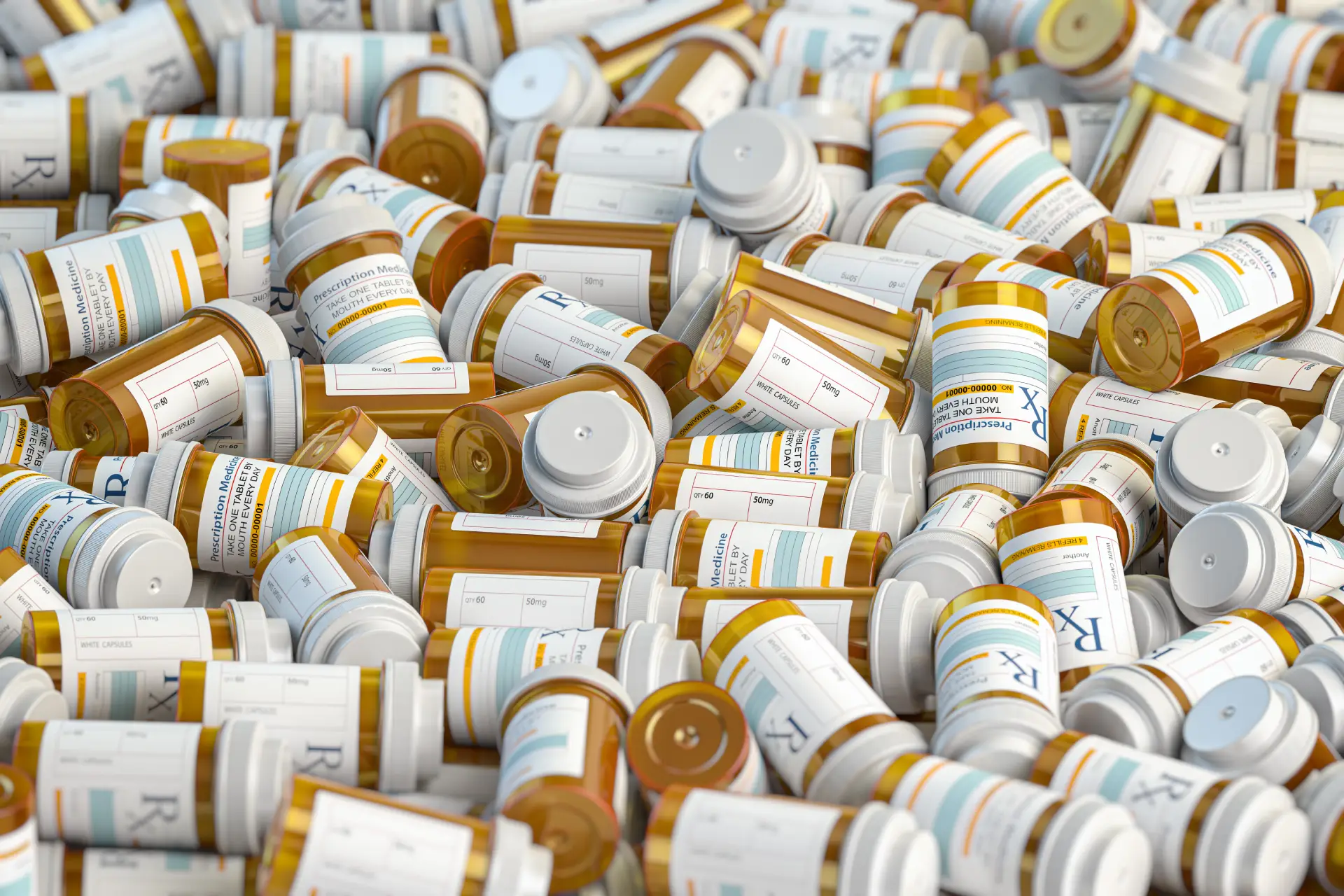
What Prescription Drugs Have the Highest Potential for Abuse?
While many prescription drugs help manage serious health conditions, some pose a high risk of addiction when misused. Here are the main categories:
Opioids
Opioids are powerful painkillers derived from the opium poppy plant or created synthetically. They are prescribed for moderate to severe pain but carry high risks of dependency. Common opioids include oxycodone (OxyContin, Percocet), hydrocodone (Vicodin), and fentanyl, which is linked to more than 20% of opioid-related overdose deaths.
Stimulants
Stimulants are used to treat ADHD and narcolepsy by increasing focus and alertness. However, they are frequently abused for performance enhancement. Examples include methylphenidate (Ritalin, Concerta) and amphetamine (Adderall).
Benzodiazepines
Known as “Benzos,” these sedatives are prescribed for anxiety and insomnia but carry a very high risk of addiction, even at prescribed doses. Examples include alprazolam (Xanax), diazepam (Valium), and lorazepam (Ativan).
Image suggestion: A divided image showing three categories of drugs: painkillers, ADHD pills, and anxiety medications.
How Does Prescription Drug Addiction Develop?
Prescription drug addiction develops when a person takes more of a medication than prescribed or continues using it longer than intended. Over time, the body builds a tolerance, requiring higher doses to feel the same effects. This cycle leads to dependence, withdrawal symptoms, and eventually compulsive drug-seeking behavior.
Main Causes of Prescription Drug Addiction
- Individual Factors: Family history of addiction, mental health disorders, early exposure to addictive medications.
- Social Factors: Easy access to medications, lack of awareness, stress from work or school, chronic pain, or sleep disorders.
Image suggestion: A young adult sitting at a desk with scattered pills and textbooks, symbolizing academic stress and misuse.
Signs and Symptoms of Prescription Drug Abuse
Behavioral Changes
- Taking larger doses than prescribed
- Doctor shopping or forging prescriptions
- Buying drugs illegally or stealing medications
- Isolation and neglect of responsibilities
- Changing methods of use (snorting, injecting)
Physical and Psychological Symptoms
- Withdrawal symptoms when reducing doses
- Disturbed sleep patterns
- Mood swings, irritability, or memory issues
- Nausea, vomiting, or constipation
- Poor concentration and coordination
Image suggestion: A concerned family watching a loved one isolate themselves in a dimly lit room.
Treatment Approaches for Prescription Drug Addiction
Medical Detoxification
The first stage of treatment, where patients receive 24/7 supervision in an inpatient or residential facility. Medication-assisted treatment may be used with FDA-approved drugs like methadone, buprenorphine, or naltrexone to ease withdrawal and cravings.
Individual Therapy
Focuses on identifying the root causes of addiction and building coping strategies. Cognitive Behavioral Therapy (CBT) is widely used to reshape harmful thought patterns.
Group Therapy
Support groups and 12-step programs help break the isolation of addiction and provide accountability, encouragement, and relapse prevention tools.
Post-Recovery Care
Includes ongoing lifestyle support such as exercise, mindfulness practices, yoga, meditation, and continued therapy to maintain sobriety long-term.
Image suggestion: A support group sitting in a circle, with one individual sharing while others listen attentively.
Finding Help with Prescription Drug Addiction on Long Island
Recovery is challenging and achievable. The right match between clinical needs, level of care, and personal preferences makes a real difference. Long Island Addiction Resources connects you with vetted programs across levels of care such as medical detox, residential treatment, partial hospitalization, intensive outpatient, standard outpatient, and recovery housing. We are a connector and guide, not a treatment facility, and we prioritize programs that provide person centered, evidence based care.
Image suggestion: A hopeful sunrise over the Long Island shoreline, symbolizing new beginnings and recovery.