


Cocaine use disorder is treatable and earlier care on Long Island improves outcomes. Because cocaine rapidly spikes (then crashes) dopamine and norepinephrine, people cycle between brief euphoria and a prolonged “down,” with cravings, anxiety, sleep disruption, and low mood. Safe recovery here typically blends supervised stabilization, evidence-based behavioral care, and support for co-occurring issues (depression, PTSD, ADHD, alcohol or benzodiazepine use). Long Island Interventions offers confidential placement into licensed Nassau/Suffolk programs (inpatient, residential, PHP/IOP, outpatient, psychiatry) that match your goals, schedule, and insurance.
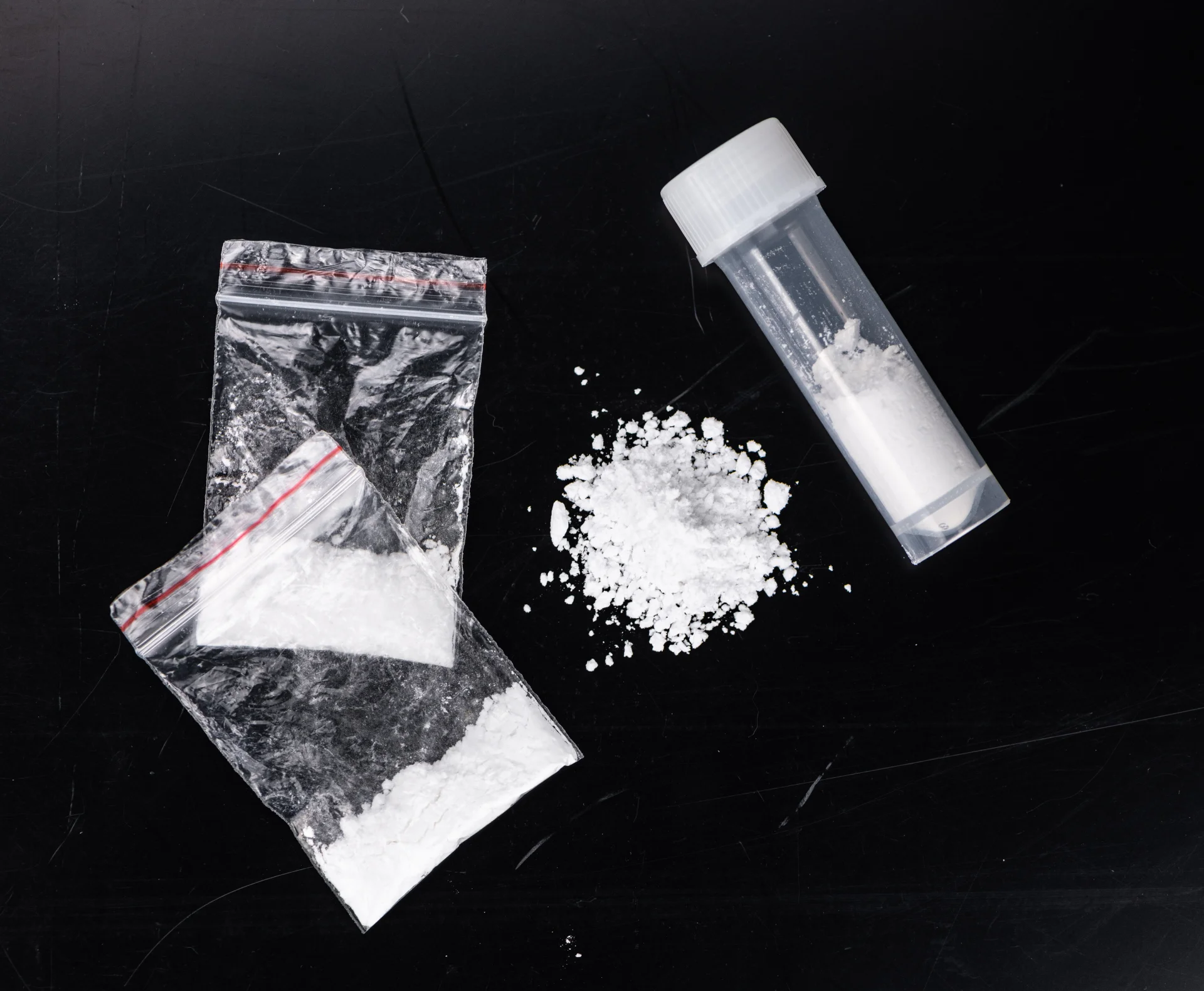
How Cocaine Dependence Forms
Cocaine blocks reuptake of dopamine, norepinephrine, and serotonin, causing an intense but short-lived high. The brain adapts (tolerance), everyday activities feel “flat,” and use shifts from feeling good to feeling normal. Binge patterns (multiple doses across an evening) and routes like smoking/injecting drive faster reinforcement and stronger cravings.
Medical & Mental Health Risks That Warrant Prompt Help
- Cardiac/cerebrovascular: hypertension, arrhythmias, vasospasm, heart attack, stroke risk rises with dehydration, exertion, or mixing with alcohol.
- Psychiatric: anxiety, panic, insomnia, dysphoria; at high doses paranoia, agitation, stimulant-induced psychosis.
- Co-use hazards on LI: alcohol (“cocaethylene” toxicity), benzodiazepines (blackouts), and fentanyl contamination in powder. Carry naloxone; consider fentanyl test strips.
- Functional harms: job or school impairment, legal exposure, unsafe driving on parkways/LIE, family conflict.
Withdrawal (“Crash”) What It Looks Like
Cocaine withdrawal is primarily psychological but very real: fatigue or hypersomnia, anhedonia, anxiety, irritability, vivid dreams, increased appetite, and intense cravings. Symptoms start within hours, peak days 2–4, and improve over 1–2 weeks; low mood/sleep issues can persist for weeks (“post-acute” phase). Suicidal thoughts or severe agitation are emergencies call 911.
Detox & Stabilization Options on Long Island
- Outpatient stabilization: For medically stable clients structured check-ins, sleep plan, nutrition/hydration, and rapid-start therapy with cravings management.
- Inpatient/Residential or PHP/IOP: Recommended for severe use, polysubstance (alcohol/benzo/opioids), psychosis/suicidality, or unstable housing. Daily psychiatry, groups, and skills training reduce relapse risk.
Medications: Setting Expectations
There is no FDA-approved medication that “switches off” cocaine addiction. Care targets symptoms and co-occurring conditions:
- Sleep/anxiety/low mood: non-addictive options (trazodone, hydroxyzine, melatonin); antidepressants when indicated.
- Cravings/relapse (off-label): Some clinicians may consider bupropion, topiramate, or modafinil in select cases must be individualized by a prescriber.
- Alcohol co-use: naltrexone/acamprosate can help alcohol reduction, indirectly decreasing cocaine binges.
Therapies That Work
- Contingency Management (CM): The strongest evidence for stimulants immediate rewards for negative drug screens and recovery milestones.
- CBT/Relapse Prevention: Identify triggers (people/places/paydays), correct thinking traps, and script “If-Then” coping plans.
- CRA (Community Reinforcement Approach): Rebuild sober routines, social networks, and rewarding activities on Long Island.
- DBT skills: Distress tolerance and emotion regulation reduce “urge surfing” failures.
- Family support: CRAFT coaching improves engagement and lowers household chaos.
- Co-occurring care: Treat depression, PTSD, ADHD, or alcohol use in parallel untreated issues are common relapse drivers.
Harm Reduction & Safety
- Never use alone; avoid mixing with alcohol or sedatives; hydrate, eat, and rest between urges.
- Assume fentanyl risk in street powders carry naloxone and consider fentanyl test strips.
- Chest pain, severe headache, one-sided weakness, extreme agitation, or psychosis = call 911.
Campus & Workplace Context

We regularly coordinate near Stony Brook, Hofstra, Adelphi, LIU, Farmingdale State, and local employers. We can help with privacy-protected documentation for course load changes, testing accommodations, or return-to-work plans so recovery and performance can coexist.
How Long Island Addiction Treatment Resources Helps
We do not operate a detox or rehab unit. We’re a confidential care-navigation and intervention service. We verify benefits and match you with vetted Long Island programs (inpatient, residential, PHP/IOP, outpatient therapy/psychiatry) that deliver CM, CBT/CRA, and dual-diagnosis treatment. We coordinate professional interventions, step-up/step-down transitions, family education, and aftercare (peer groups, sober living, teletherapy).