


What inhalants are and why early help matters
Inhalants are aerosolized or volatile compounds that give off vapors. Many are found in everyday household and commercial products, solvents, gases, nitrites, and aerosol sprays. Used correctly for cleaning, lubricating, or fragrance, they are generally safe. Abused by inhaling the vapors to feel high, they can cause rapid harm, including brain injury, liver damage, bone marrow suppression, and hearing loss. A single session can be fatal due to asphyxia or sudden heart problems. Recognizing warning signs early and acting quickly is critical.
What counts as an inhalant
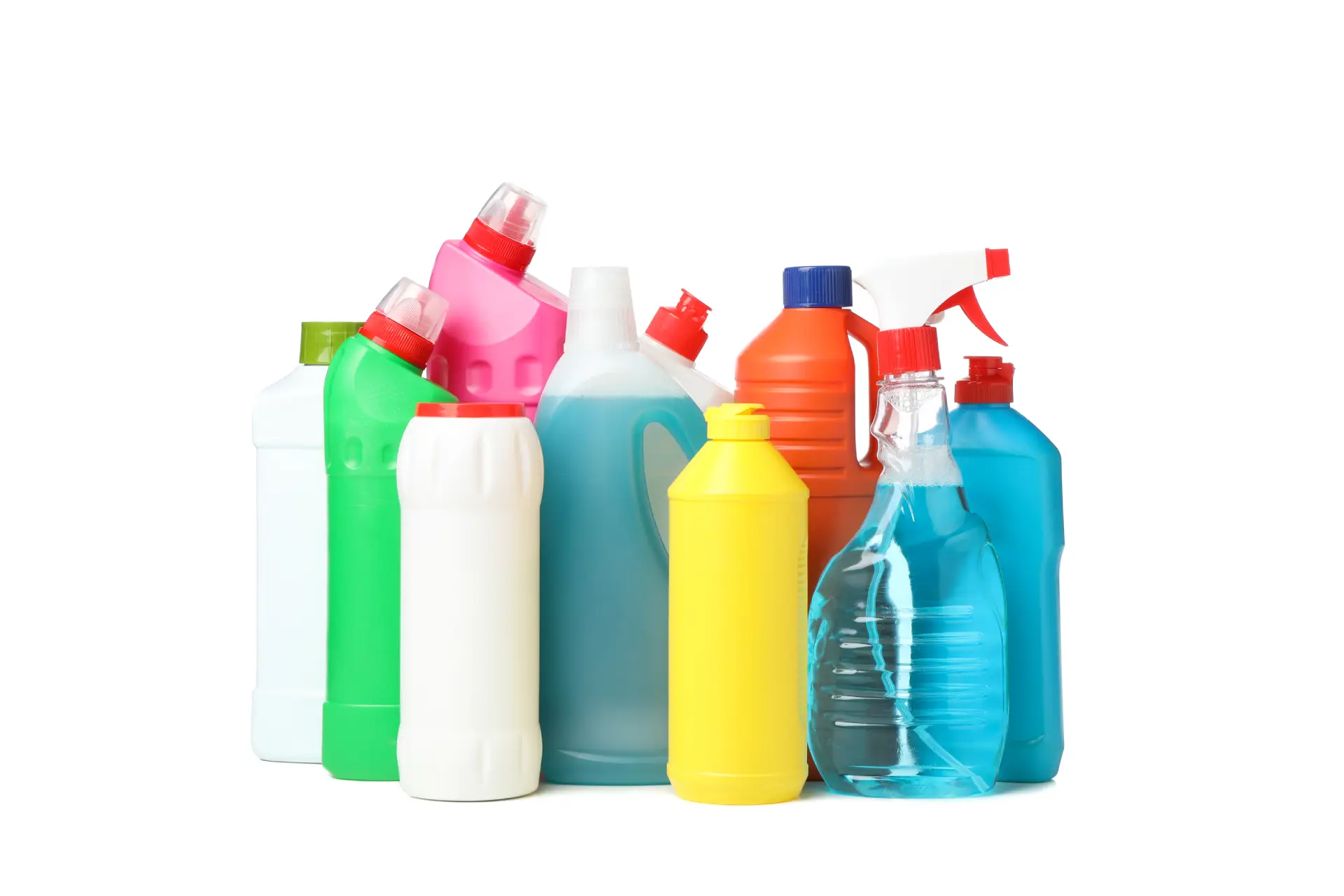
Inhalants are not one drug but a broad category of volatile substances that produce mind altering effects when vapor is inhaled. Common examples include spray paints, glue, correction fluid, gasoline, lighter fluid, refrigerants, whipped cream propellant, hair spray, and room deodorizers. Because many are inexpensive and easy to access, misuse often begins in adolescence and can be hidden due to the brief high.
Risk snapshot on Long Island: Adolescents can access many of these products at home or in stores. Short intoxication windows make repeated use more likely and easier to conceal from caregivers and teachers.
How widespread is inhalant use
National surveys report millions of people try inhalants each year, with the highest rates among youth ages 12 to 17. Early use is concerning because it increases the chance of later polysubstance use and carries immediate health risks, even on first exposure.
Image suggestion: Simple bar chart concept depicting higher prevalence in ages 12 to 17 tapering into adulthood, labeled Youth are at highest risk.
How people misuse inhalants
- Sniffing directly from the container.
- Bagging by spraying into a plastic or paper bag and inhaling.
- Ballooning by filling a balloon with nitrous oxide and inhaling.
- Huffing by soaking a cloth and placing it over the mouth or nose.
- Direct spraying into the nose or mouth.
Highs may last minutes to under an hour, which leads to repeated dosing and greater toxic exposure.
Four main classes of inhalants
- Volatile solvents Liquids that vaporize at room temperature paint thinner, gasoline, dry cleaning fluid, glues, correction fluid, felt tip markers.
- Aerosols Sprayable products with propellants and solvents spray paint, hair spray, spray deodorant, fabric protectors, cooking sprays.
- Gases Household and medical gases, nitrous oxide, ether, chloroform, refrigerants, butane lighters, propane, whipped cream chargers.
- Nitrites Vasodilators sold under various household labels like room deodorizers or liquid aroma. Unlike other inhalants, nitrites primarily dilate blood vessels and relax smooth muscle rather than acting directly on the central nervous system.
Image suggestion: Four icon tiles labeled Solvents, Aerosols, Gases, Nitrites with a brief risk note under each.
Can someone become addicted to inhalants
While classic physical dependence is less common than with opioids or alcohol, repeated inhalant misuse can produce tolerance, compulsive use, and withdrawal in some individuals. Long term patterns are linked to seizures, overdose, coma, and death. Psychological dependence and cue driven use are frequent, especially in teens.
Signs someone may be abusing inhalants
Because routine drug tests often do not detect inhalants, observation is key. Possible indicators include:
- Paint or chemical stains on face, hands, or clothing.
- Chemical odors on breath or clothing.
- Sores or rash around the mouth or nose, runny nose, red watery eyes.
- Dazed appearance, poor coordination, slurred speech, dizziness.
- Sudden irritability, excitability, anxiety or depressed mood.
- Inattentiveness at school or work, behavior changes, confusion.
- Appetite loss, nausea, unexplained weight loss, muscle weakness.
- Emerging organ or neurological problems without another explanation.
Image suggestion: Discreet school nurse office scene with a checklist titled Possible inhalant red flags.
What is inhalant use disorder
A clinician may diagnose inhalant use disorder when at least two of these occur within 12 months:
- Using larger amounts or for longer than intended.
- Unsuccessful efforts to cut down or stop.
- Spending significant time obtaining, using, or recovering.
- Strong cravings.
- Failure to meet responsibilities at school, work, or home.
- Continued use despite relationship problems.
- Giving up important activities.
- Using in physically dangerous situations.
- Tolerance or a need for more to feel effects.
Short and long term health effects
Short term effects can appear within minutes and last up to an hour: slurred speech, euphoria, lightheadedness, agitation, drowsiness, poor coordination, blurry vision, headache, nausea, and dangerous heart rhythm changes that can lead to sudden death.
Long term effects may include damage to liver, kidneys, and lungs, hearing loss, immune suppression, limb spasms, seizures, arrhythmias, cognitive impairment, coma, and death. Repeated hypoxia magnifies brain injury risk.
Overdose and other life threatening risks
Aerosols and solvents can cause seizures, coma, and sudden cardiac arrest due to sensitized heart muscle and toxic load. Bagging can lead to suffocation. Replacing oxygen in the lungs with vapors can cause asphyxia. There are no specific reversal agents for inhalants. Emergency care focuses on airway, breathing, circulation, seizure control, and cardiac stabilization.
Image suggestion: Emergency room doorway with a caption reading In an overdose, call 911 immediately.
Withdrawal symptoms
Withdrawal is less common but can occur after weeks to months of frequent use. Symptoms may last two to five days and include irritability, anxiety, mood changes, sweating, insomnia, appetite loss, nausea, cramps, tingling, tremor, and seizures. Medical supervision is recommended when withdrawal is suspected.
How inhalant misuse is treated
There is no antidote or medication specific to inhalant intoxication. Care begins with a medically supervised setting that provides:
- Monitoring of breathing, heart rhythm, hydration, and nutrition.
- Rest and sleep restoration.
- Mental health assessment for anxiety, depression, trauma, or impulsivity.
- Safety planning and family education.
Once stabilized, a comprehensive plan mirrors evidence based care for other substance use disorders:
Core therapies
- Cognitive Behavioral Therapy to identify triggers, challenge thinking traps, and build coping skills for cravings.
- Motivational Interviewing to strengthen personal reasons for change and reduce ambivalence.
- Family Therapy to repair communication, reinforce boundaries, and improve home safety.
- Contingency Management where appropriate to reinforce attendance and negative screens.
- School based or youth focused services for adolescents, coordinated with caregivers.
Program intensity matched to need
- Residential treatment for severe cases, safety concerns, or lack of stable housing.
- Partial Hospitalization Program for intensive daytime structure with evening return home.
- Intensive Outpatient Program for multi day weekly therapy while keeping school or work.
- Standard outpatient for step down care and continued skill practice.
Recovery supports
- Activity programs that build prosocial skills and sober peer networks — sports, arts, volunteering, outdoor clubs.
- Support groups such as SMART Recovery, teen focused groups, or family groups like Al Anon.
- Sober living when the home environment includes high risk triggers.
Image suggestion: Group room with teens and a facilitator working through a coping card that lists Breathe, Delay, Call, Leave, Replace.
Prevention on Long Island
For adolescents, prevention centers on life skills: self esteem building, communication, refusal techniques, stress management, and healthy peer connection. Schools, community centers, and families can partner to limit access to volatile products, store them securely, and discuss risks plainly without stigma. Pediatric and school based screenings help catch early experimentation.
How we help
Long Island Addiction Treatment Resources is not a treatment center. We listen, verify insurance, and connect you or your loved one with trusted inhalant treatment providers across Long Island who understand youth and adult presentations, offer trauma informed care, and coordinate with families and schools when appropriate.