


OxyContin (oxycodone ER) is a powerful semi-synthetic opioid for severe pain but its high potency and extended-release design make misuse especially risky. On Long Island, we help Nassau and Suffolk residents find licensed, evidence-based care that matches their needs and insurance: medically supervised detox, medication-assisted treatment (MAT), and step-down programs that rebuild life stability not just stop the pills.
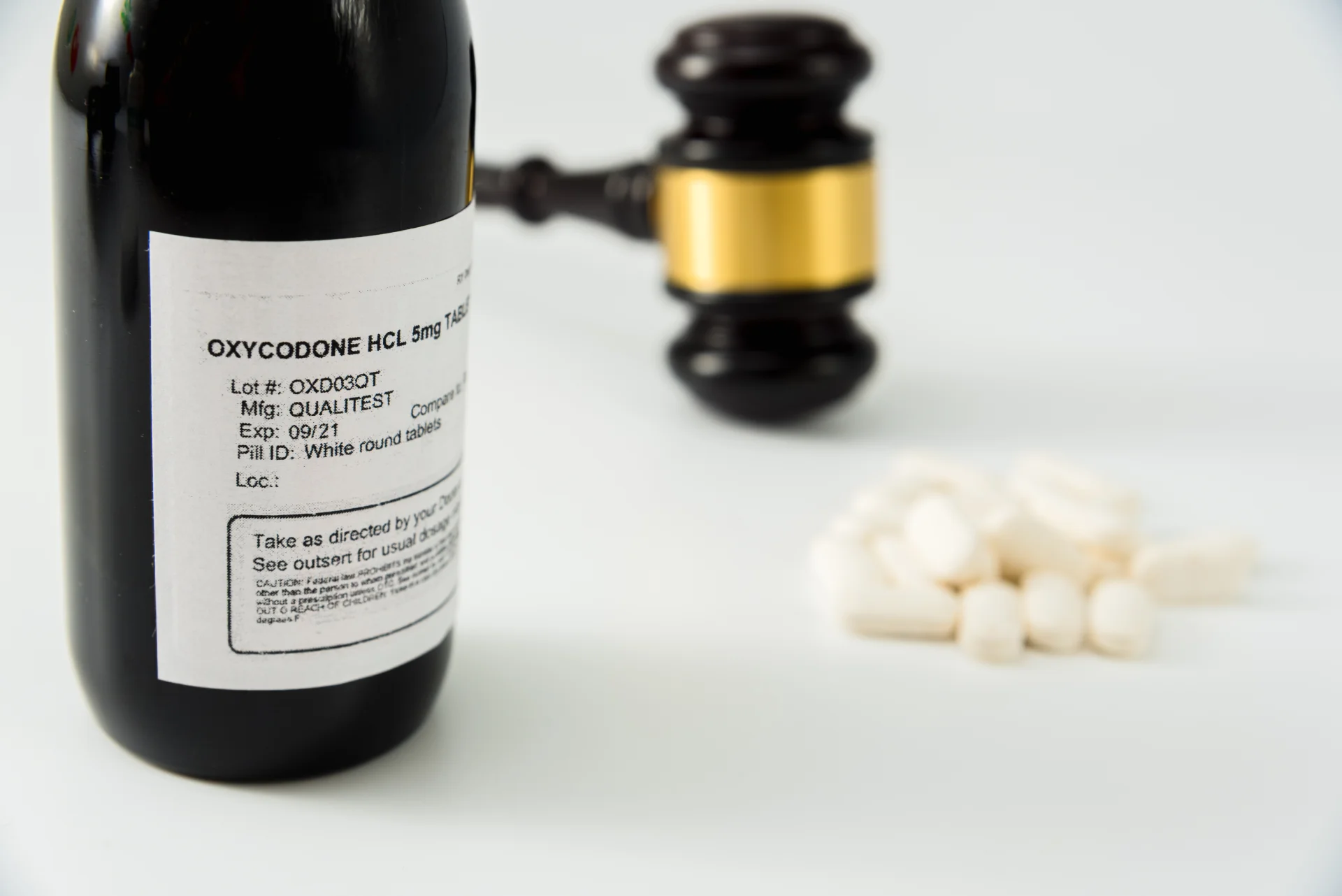
Why OxyContin Is So Addictive
OxyContin delivers oxycodone over 12 hours. When crushed, snorted, smoked, or injected to bypass the release mechanism, a large dose hits at once, intensely activating mu-opioid receptors. That surge blocks pain and spikes dopamine (euphoria). With repeated exposure, tolerance (needing more for the same effect) and dependence (withdrawal when levels drop) develop, driving compulsive use even as consequences mount.
Health Risks & Red Flags
Short-term effects: sedation, slow reaction time, pinpoint pupils, constipation, depressed breathing. Long-term harms: respiratory depression/overdose (especially with alcohol/benzodiazepines), liver injury (with combo products), infections, cardiac and pulmonary complications, and profound mood/sleep disruption. Misuse signs: taking early or higher doses; doctor-shopping; crushing pills; secrecy; declining school/work performance; money problems; using in risky settings; withdrawal symptoms between doses.
Withdrawal: What It Feels Like & When It Peaks
Onset: ~24–36 hours after last dose (can be sooner if manipulating the pill). Common symptoms: anxiety, insomnia, aches/cramps, nausea/vomiting/diarrhea, chills/sweats, gooseflesh, runny nose/tearing, dilated pupils, elevated HR/BP, strong cravings.
- Days 1–2: flu-like symptoms surge; cravings intense.
- Days 3–5: physical symptoms begin easing; sleep/mood still rocky.
- Days 5–10: most physical symptoms improve; anxiety/low mood may persist.
- 10+ days: psychological symptoms can linger; without a plan, relapse risk remains high.
Note: Post-acute withdrawal (PAWS) waves of anxiety, insomnia, low motivation can recur for weeks to months and responds to structured care and skills practice.
Detox & MAT on Long Island: What Care Looks Like
Medical detox provides 24/7 monitoring, hydration/nutrition support, targeted meds for GI/autonomic symptoms, and rapid escalation if breathing or blood pressure changes. Many people also benefit from MAT to calm withdrawal and cravings:
- Buprenorphine (often with naloxone): partial agonist that eases symptoms/cravings and blocks overdose-level euphoria.
- Methadone: full agonist used in structured programs for severe/complex dependence.
- Clonidine/lofexidine: reduces autonomic symptoms (sweats, chills, jitters).
- Naltrexone (after detox): antagonist that blocks opioid effects to support abstinence.
Levels of Care Available Locally
- Medical Detox / Inpatient: best for moderate–severe dependence or polysubstance use; 24/7 nursing and MD oversight.
- Residential Rehab: live-in structure, daily therapy, routine building away from triggers.
- PHP / IOP: Partial Hospitalization and Intensive Outpatient provide multi-day therapy each week with medication management while you live at home or in recovery housing.
- Outpatient & Telehealth: weekly therapy + MAT once stable; accessible across Nassau & Suffolk.

Therapies That Protect Recovery
CBT: maps triggers (pain spikes, stress, people/places), challenges “just this once” thoughts, and builds a written relapse-prevention plan with specific if-then steps. DBT skills: emotion regulation and distress tolerance for urge spikes; interpersonal skills to repair relationships and set boundaries. Motivational Interviewing: connects change to what matters (health, family, work), keeping momentum after detox. Dual-diagnosis care: treats depression/anxiety/PTSD/insomnia alongside OxyContin use so symptoms don’t drive relapse. Pain-without-opioids plan: non-opioid meds, PT, activity pacing, CBT-I for sleep, and mind-body approaches to manage pain safely.
Harm Reduction & Safety
- Avoid mixing opioids with alcohol or benzodiazepines unless tightly coordinated combination raises overdose risk.
- Carry naloxone; teach loved ones how to use it; call 911 for slow or stopped breathing.
- Use one prescriber/one pharmacy; secure medications; never share pills.
- Prioritize hydration, small frequent meals, consistent wake time, and light movement these blunt withdrawal severity.
Aftercare: Keeping Gains After Detox
Successful recovery pairs MAT (buprenorphine or, when appropriate, extended-release naltrexone) with weekly therapy, peer support (SMART Recovery, NA), recovery coaching, family education, and when needed sober living. Your team will help you craft a practical plan covering early-warning signs, coping actions, safe pain strategies, and emergency contacts.
Our Role on Long Island
Long Island Addiction Resources is a confidential local connector not a detox or rehab facility. We verify insurance and match you (or a loved one) with licensed Long Island programs detox, residential, PHP/IOP, outpatient/MAT, and recovery housing experienced in OxyContin tapers, dual-diagnosis care, and relapse-prevention. We can also coordinate professional interventions if treatment readiness is low.