


Tramadol addiction is treatable and the safest outcomes on Long Island come from a plan that combines medical detox, evidence-based medications when appropriate, and therapy that targets both opioid and mood-related withdrawal. We connect Nassau and Suffolk County residents with nearby, licensed programs that fit their insurance and schedule (inpatient, PHP/IOP, office-based care, and telehealth follow-ups).
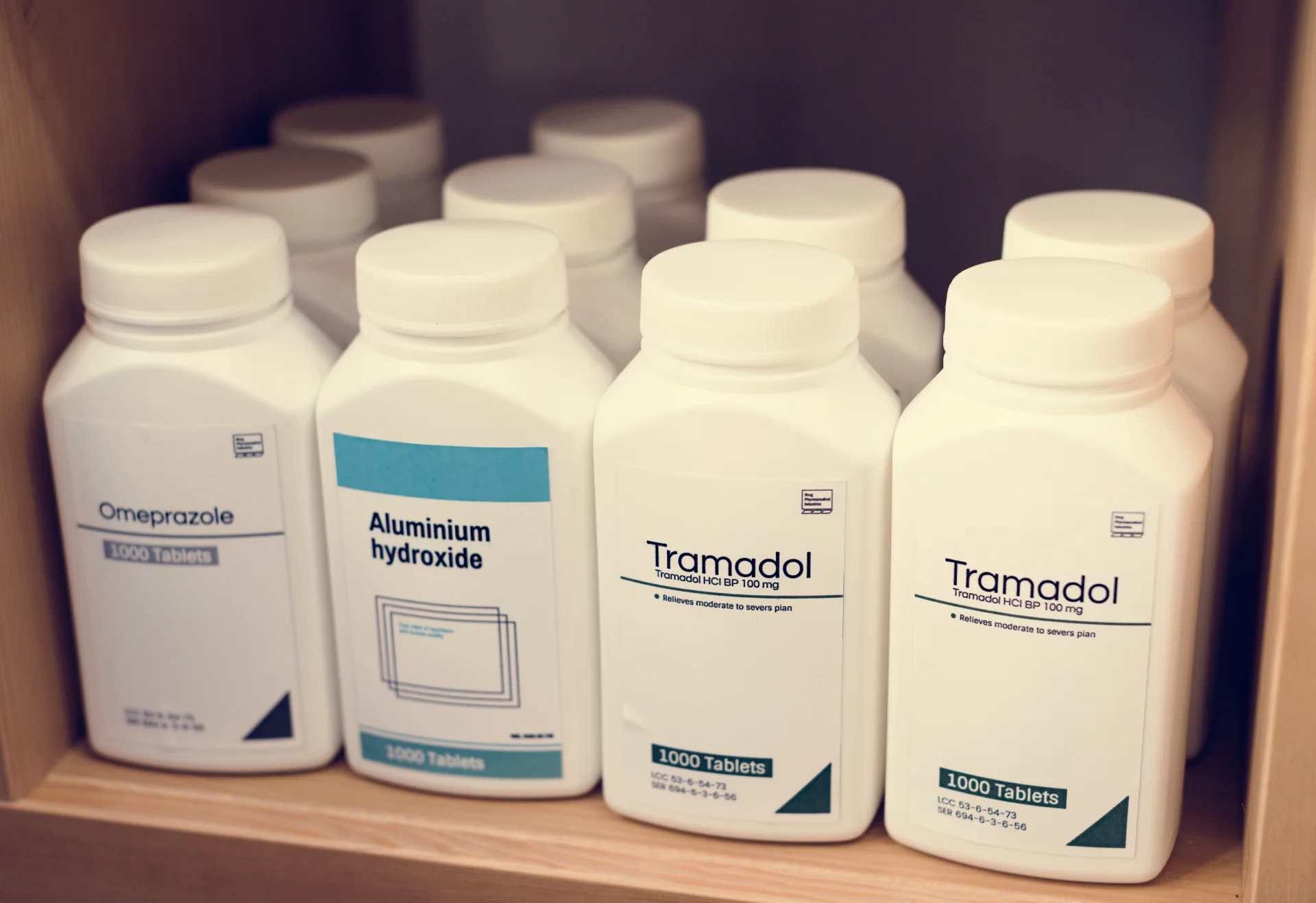
How Tramadol Works (and Why It’s Unusual)
Tramadol is an opioid analgesic that binds mu-opioid receptors to reduce pain and produce reward. It’s also a serotonin-norepinephrine reuptake inhibitor (SNRI-like). This dual action is why tramadol can feel energizing for some and why withdrawal can include both classic opioid symptoms (cramps, diarrhea, bone/muscle aches) and mood/cognitive symptoms (anxiety, panic, dysphoria, vivid dreams). Genetics matter too: people who are CYP2D6 ultrarapid metabolizers convert tramadol into a stronger opioid metabolite faster raising risks of euphoria, dependence, and overdose at “standard” doses.
Risks & Red Flags Specific to Tramadol
- Serotonin syndrome risk when combined with SSRIs/SNRIs, MAOIs, linezolid, triptans, or St. John’s wort (agitation, sweating, tremor, fever seek urgent care).
- Seizures, especially with high doses or when mixed with bupropion, tramadol XR overuse, or abrupt cessation after heavy use.
- Respiratory depression when combined with alcohol, benzodiazepines, or other sedatives.
Withdrawal: What You Might Feel
Symptoms can start within 6–12 hours after the last dose (faster for immediate-release, later for extended-release), peak by days 2–3, and improve over 7–10 days. Typical features:
- Opioid-type: chills, yawning, runny nose/eyes, gooseflesh, abdominal cramps, nausea/vomiting, diarrhea, muscle/bone aches, insomnia.
- SNRI-type: anxiety/panic, dysphoria, irritability, vivid dreams/nightmares, brain “zaps,” dizziness, possible hallucinations/paranoia at high prior doses.
- Cravings and low mood can linger (PAWS), especially under stress or sleep disruption.
Detox on Long Island: Safer, Supported Options
Because tramadol withdrawal can blend opioid and serotonergic features, medically supervised detox is recommended if you’ve used high doses, have seizure risk, or take interacting meds.
- Inpatient medical detox: 24/7 monitoring, IV/PO hydration, seizure precautions, and fast symptom relief if complications arise.
- Outpatient-based detox (with daily check-ins): Appropriate for stable housing/support and lower medical risk; includes close prescriber contact and same-day adjustments.
Medications Used to Ease Tramadol Withdrawal
- Buprenorphine (Suboxone): Partial-agonist that suppresses opioid withdrawal/cravings without full euphoria. Can be started via standard induction (once moderate withdrawal begins) or micro-induction (very small doses while tapering tramadol to avoid precipitated withdrawal). Useful when dependence is moderate-to-severe or mixed with other opioids.
- Methadone: For severe, long-standing opioid dependence or if buprenorphine trials fail. Dispensed in certified clinics.
- Symptom-targeted meds: clonidine or lofexidine (autonomic symptoms), ondansetron or metoclopramide (nausea), loperamide (diarrhea), NSAIDs/acetaminophen (aches), hydroxyzine or short-course trazodone (sleep/anxiety). Diazepam or other benzodiazepines are generally avoided unless there’s a compelling indication.
Important: Your team will screen for antidepressant interactions and tailor care to reduce seizure risk. Naloxone is supplied for overdose emergency preparedness.
After Detox: Preventing Relapse & Rebuilding Stability
- Medication-assisted treatment (MAT): Continue buprenorphine or transition to naltrexone (after full detox) if cravings persist. Duration is individualized maintenance as long as benefits outweigh risks is evidence-based.
- Therapies: CBT/DBT for triggers and distress tolerance; sleep and pain management plans (non-opioid meds, physical therapy, paced activity); trauma-informed care; family work to reset boundaries and support.
- Structure: IOP/PHP in Nassau/Suffolk for added accountability; office-based follow-ups taper to monthly when stable; many practices offer telehealth.
- Written relapse plan: list personal triggers, early warning signs (isolation, poor sleep), coping steps, and a rapid-response contact tree. Keep naloxone at home; teach loved ones how to use it.
How We Help on Long Island
Long Island Addiction Resources is a confidential referral service not a detox or rehab. We listen, verify insurance, and match you with licensed, local detox units, Suboxone-prescribing clinics, IOP/PHP programs, residential care, and therapists across Nassau and Suffolk. If motivation is low, we coordinate professional interventions and step-up/step-down options to keep care continuous.